Start with the route your dog actually uses
The most important path is usually bed to water, door, food, and family. Watch where slipping, hesitation, or turning happens instead of changing the whole house at once.
 Join the Care List
For slipping floors, risky jumps, hard stairs, and water bowls too far away, make the home easier on an older body.
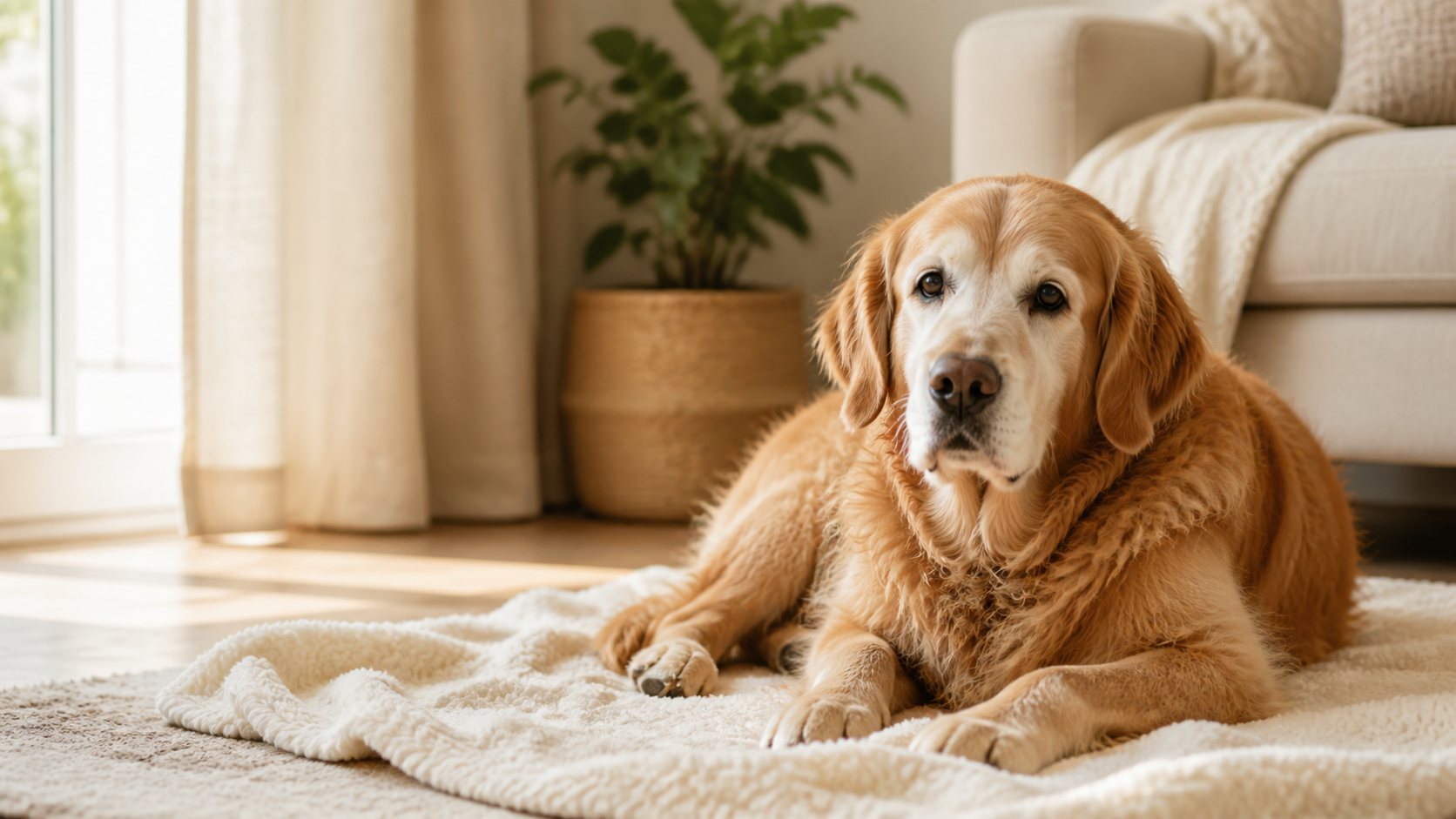
Use these as observation prompts so the next conversation starts with real examples instead of vague worry.
The most important path is usually bed to water, door, food, and family. Watch where slipping, hesitation, or turning happens instead of changing the whole house at once.
Dogs on slick floors often brace with their shoulders and back legs. Runners, yoga mats, toe grips, or booties may help, but the best option is the one your dog will actually tolerate.
A senior dog may need a lower bowl, raised bowl, closer water, a ramp, blocked stairs, warmer bedding, easier bathroom timing, or a quieter room.
Small changes are easier to try when you know the exact moment they are meant to help.
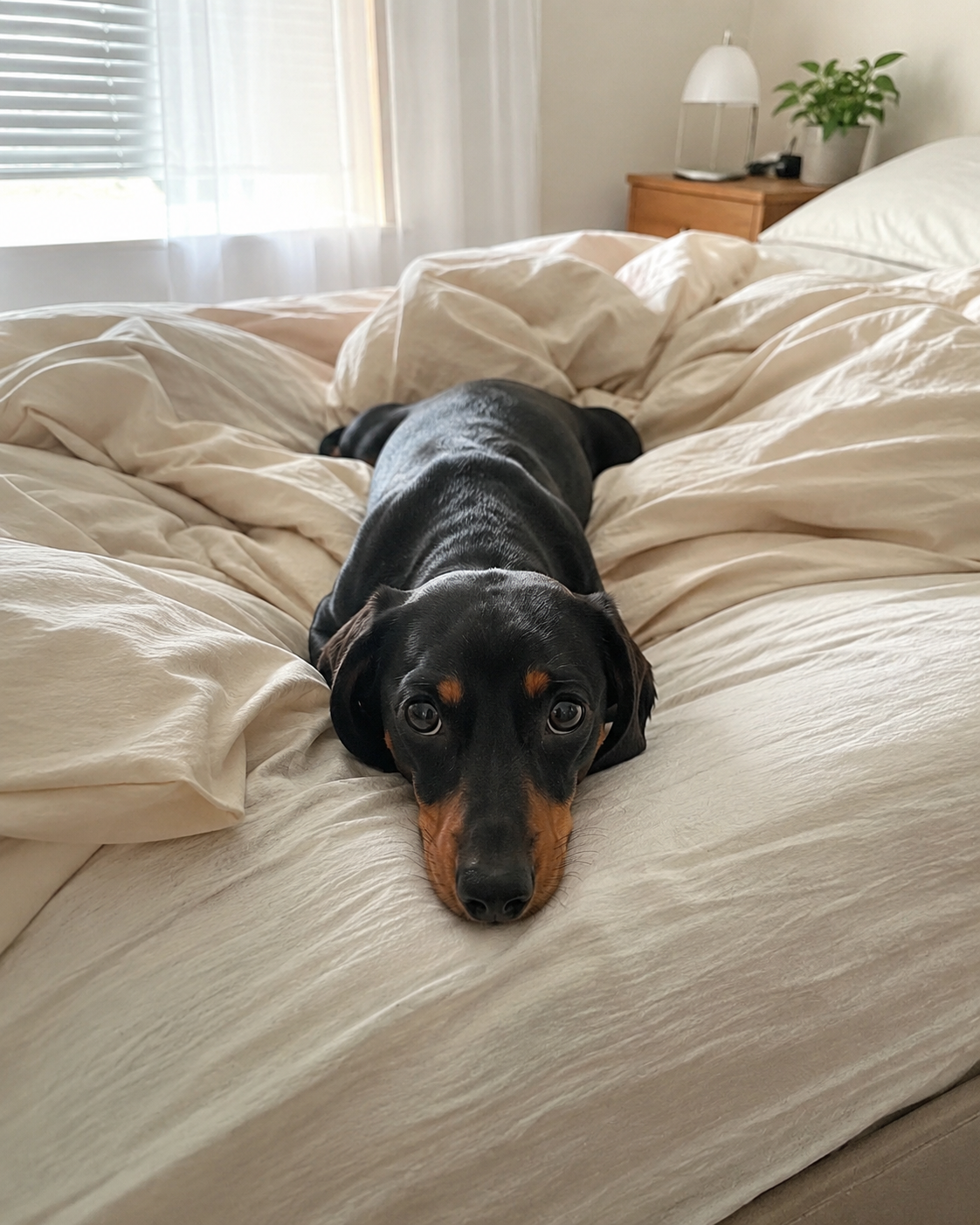
Place rugs in the path your dog uses most.
Move bowls closer to rest areas.
Block jumps that are no longer safe.
If your dog suddenly cannot stand, cries out, or seems disoriented, seek veterinary guidance promptly.
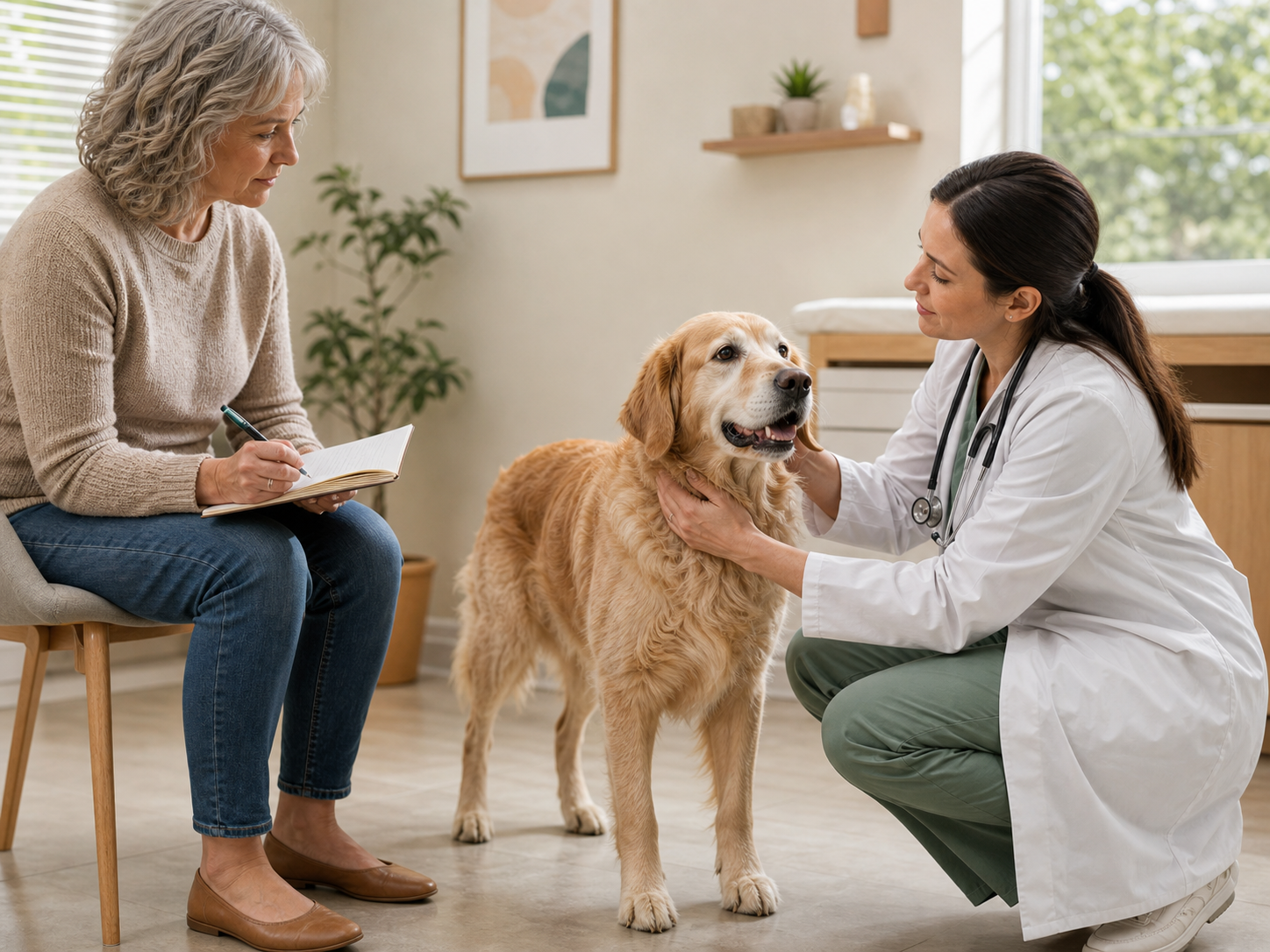
When you are afraid you will forget the details the moment the appointment starts.
For slick floors, couch jumps, stairs, bowls, and paths that suddenly feel harder.