Stiff after rest can be a clue
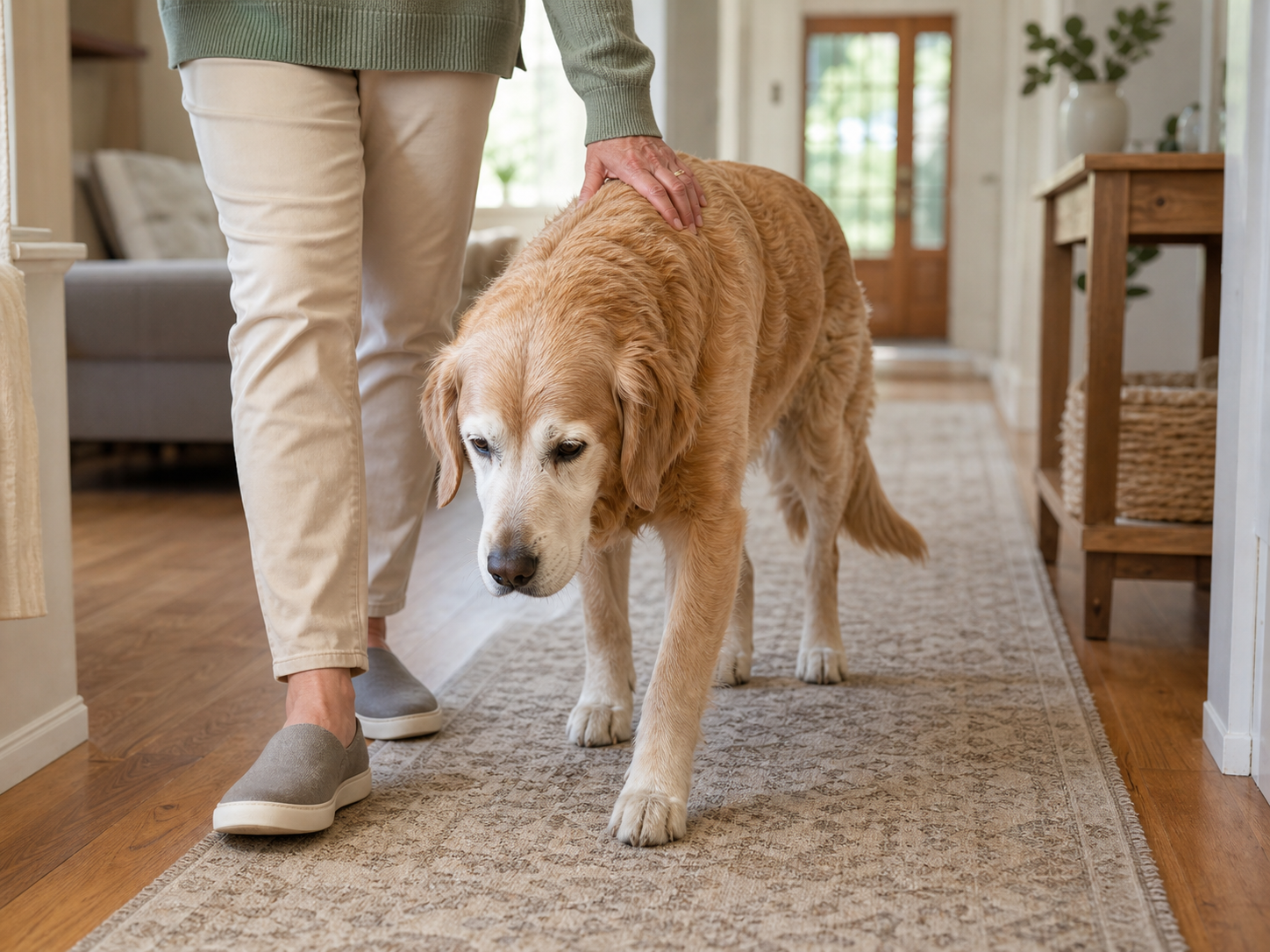
Many senior dogs look better once they warm up, so pain gets dismissed. Write down whether stiffness appears after naps, car rides, stairs, cold weather, or longer walks.
 Join the Care List
For slow mornings, stair hesitation, shorter walks, or licking joints, turn vague worry into clear next steps.
Use these as observation prompts so the next conversation starts with real examples instead of vague worry.
Many senior dogs look better once they warm up, so pain gets dismissed. Write down whether stiffness appears after naps, car rides, stairs, cold weather, or longer walks.
A dog may stop jumping, pause before stairs, take wider turns, walk on carpet instead of wood, lick a joint, pant when resting, or become irritable when touched. These are useful observations, even when there is no crying.
Veterinary pain plans can include medication, weight support, physical rehab, controlled exercise, supplements, joint injections, acupuncture, and home changes. The best plan is measured by function: rising, walking, sleeping, and enjoying routines.
Small changes are easier to try when you know the exact moment they are meant to help.
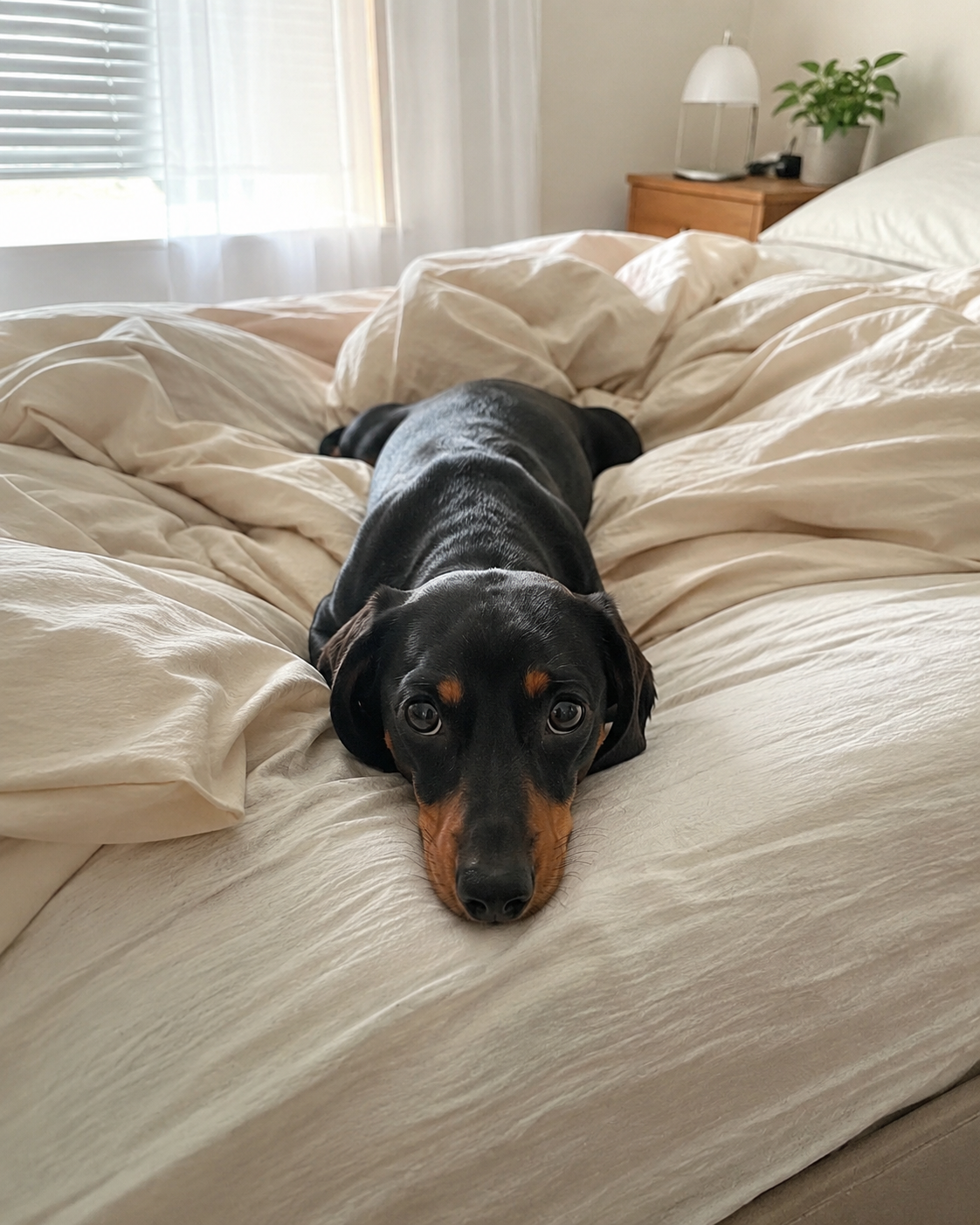
Add rugs where floors are slick.
Reduce jumping where possible.
Write down what time stiffness appears.
Ask your vet if stiffness lasts more than a few days, worsens quickly, or changes your dog's normal routine.
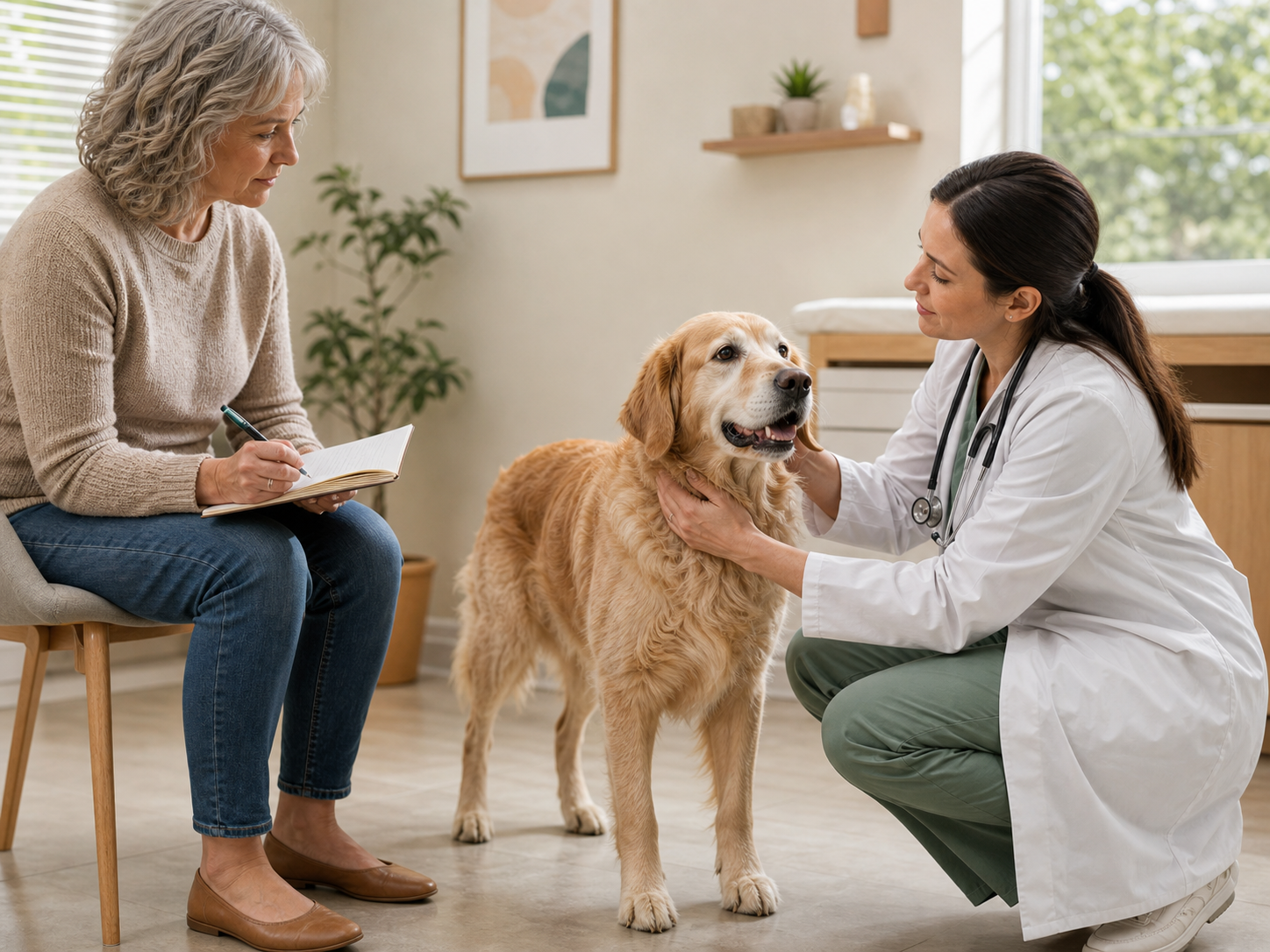
When you are afraid you will forget the details the moment the appointment starts.
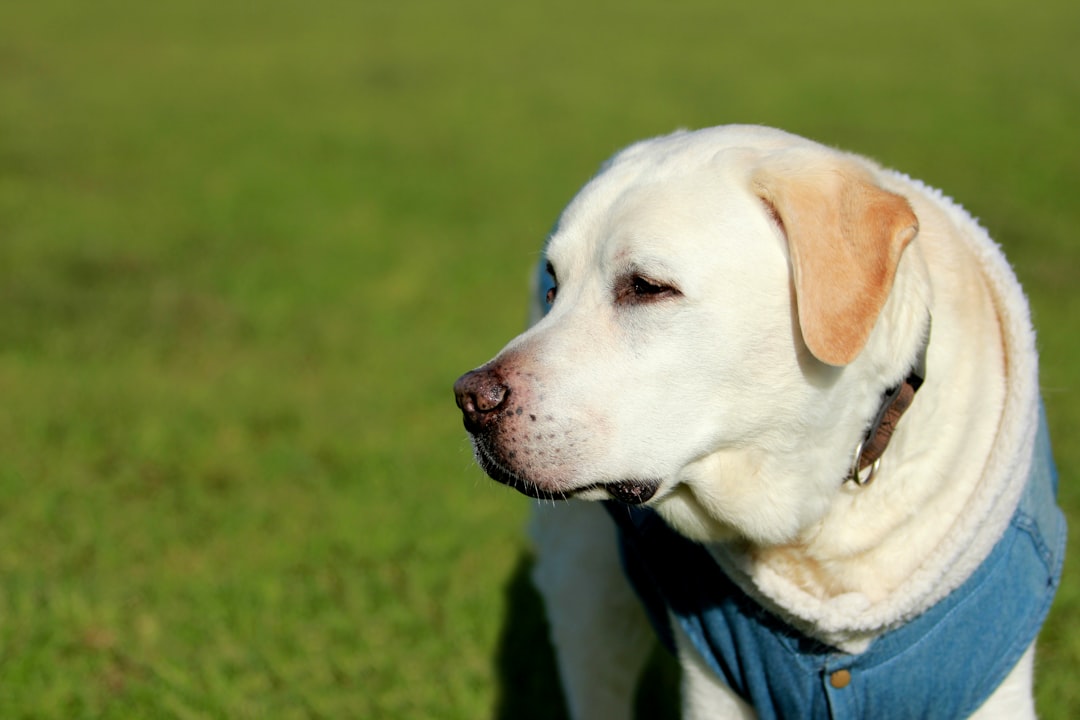
What changed chewing, dropped food, face rubbing, new food preferences, and reluctance to be touched can mean for the vet visit.